Photographer's Journal
United in Protecting the Mother
Indigenous Conservation in Tamrau, Papua Barat Daya
On the fifth day in Papua Barat Daya, sitting on the beach at Sausapor while the Pacific moved quietly behind us, Hormes Ulimpa, ranger, indigenous Papuan, the man who had been my guide, my translator, and increasingly my compass, started to cry.
Utomo Priyambodo, the writer had asked him a simple question. What are you afraid of losing?
He spoke for a long time after that, voice breaking and steadying and breaking again, about the forest and the birds and the people and what would be left in a hundred years if no one paid attention now. I looked down at the sand and said nothing. Words that come from the heart arrive at the heart. I believed him.

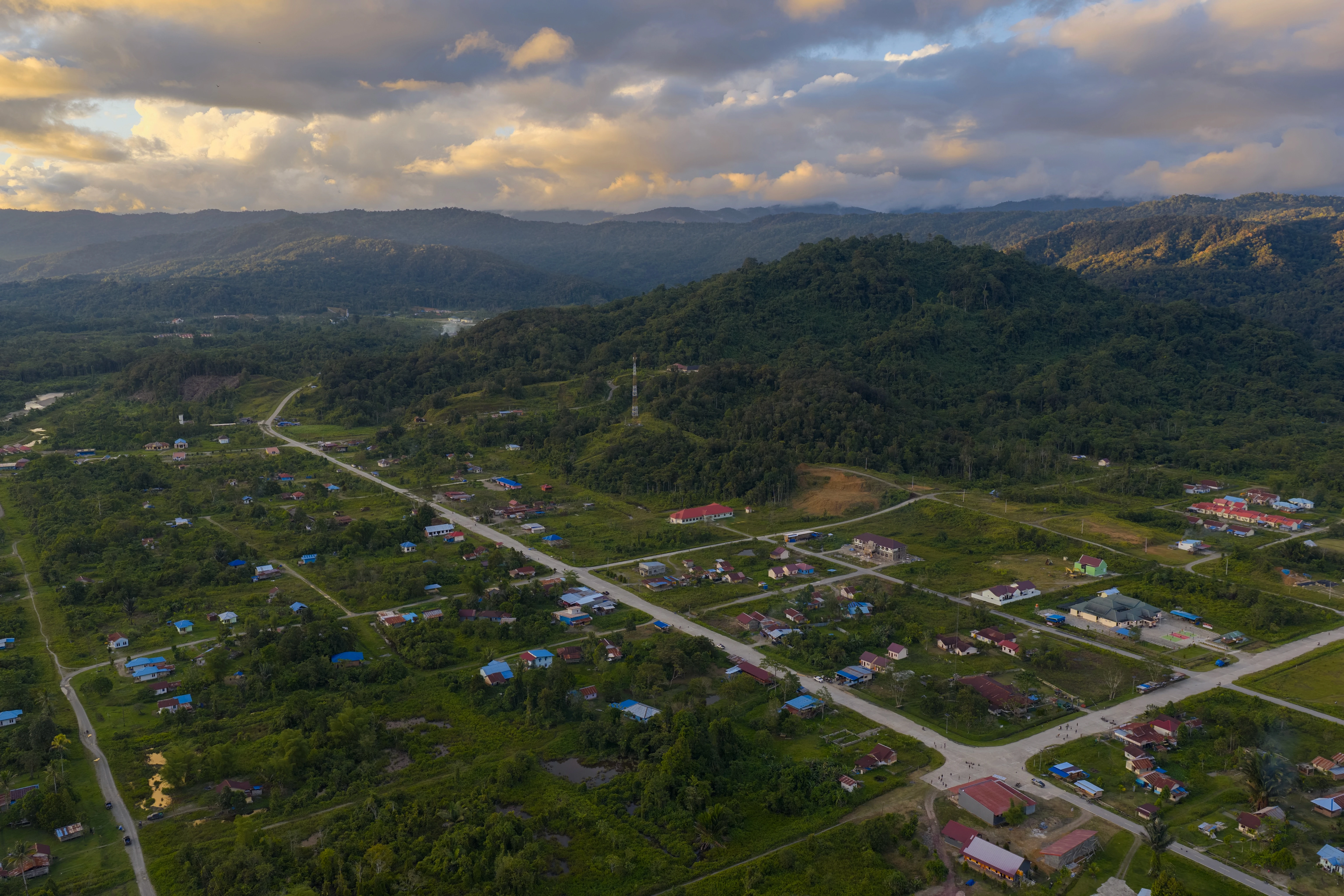
The goal was to document fifteen days of indigenous-led conservation across the Bird's Head Peninsula of Papua Barat Daya, covering Tambrauw Regency, Sorong Regency, and Sorong City, and to show how communities and rangers protecting the Tamrau Utara Nature Reserve, Sausapor Coastal Nature Reserve, and Sorong Nature Recreation Park are navigating a biodiversity crisis with customary knowledge, institutional partnership, and a love for their land that I have rarely encountered at that intensity.
The threats here are not abstract. Between 1992 and 2022, Papua lost approximately 687,000 hectares of primary forest cover. Wildlife trafficking networks operate actively through Sorong Port, with birds of paradise hidden inside watermelons, inside wrapped gift boxes, inside PVC pipes. Armed poachers in the forests of Tambrauw. Coastal nesting habitat for sea turtles buried under river sediment from deforested slopes. And beneath all of it, the slow erosion of indigenous governance under the weight of external economic pressure that does not ask permission.
Some communities I visited were reachable only after long overland travel through districts with three people per square kilometer. Trust here is not given. It is built across days of showing up, eating what is offered, walking where you are taken, and not pretending you understand faster than you do.
I worked alongside writer Utomo Priyambodo and co-photographer Ricky Martin, with Hormes and his colleague Agustinus Sawat as field guides across the entire assignment. Fifteen days produced an enormous range of photographic material: turtle nest monitoring at Megame Beach in the dark, headlamps and data sheets and careful hands in the sand. Bird of paradise ecotourism in the forest above Kampung Iwin, where Albertus Bofra now earns more from showing the bird alive than his grandfather ever made selling it dead. Noken weaving at Sanggar Aka Bomata, women whose cultural identity is literally threaded through bark fiber that only exists inside a standing forest. Sustainable lawang oil harvesting in Kampung Bikar, where Yesaya Yerin strips bark without felling the tree, a technique learned from a study visit to Ambon and now being passed back to his own community. And at Sorong Nature Recreation Park, the flowering of Dendrobium moiorum, an orchid named after the Moi people, newly described in 2020, growing on a tree in land they have stewarded for generations.

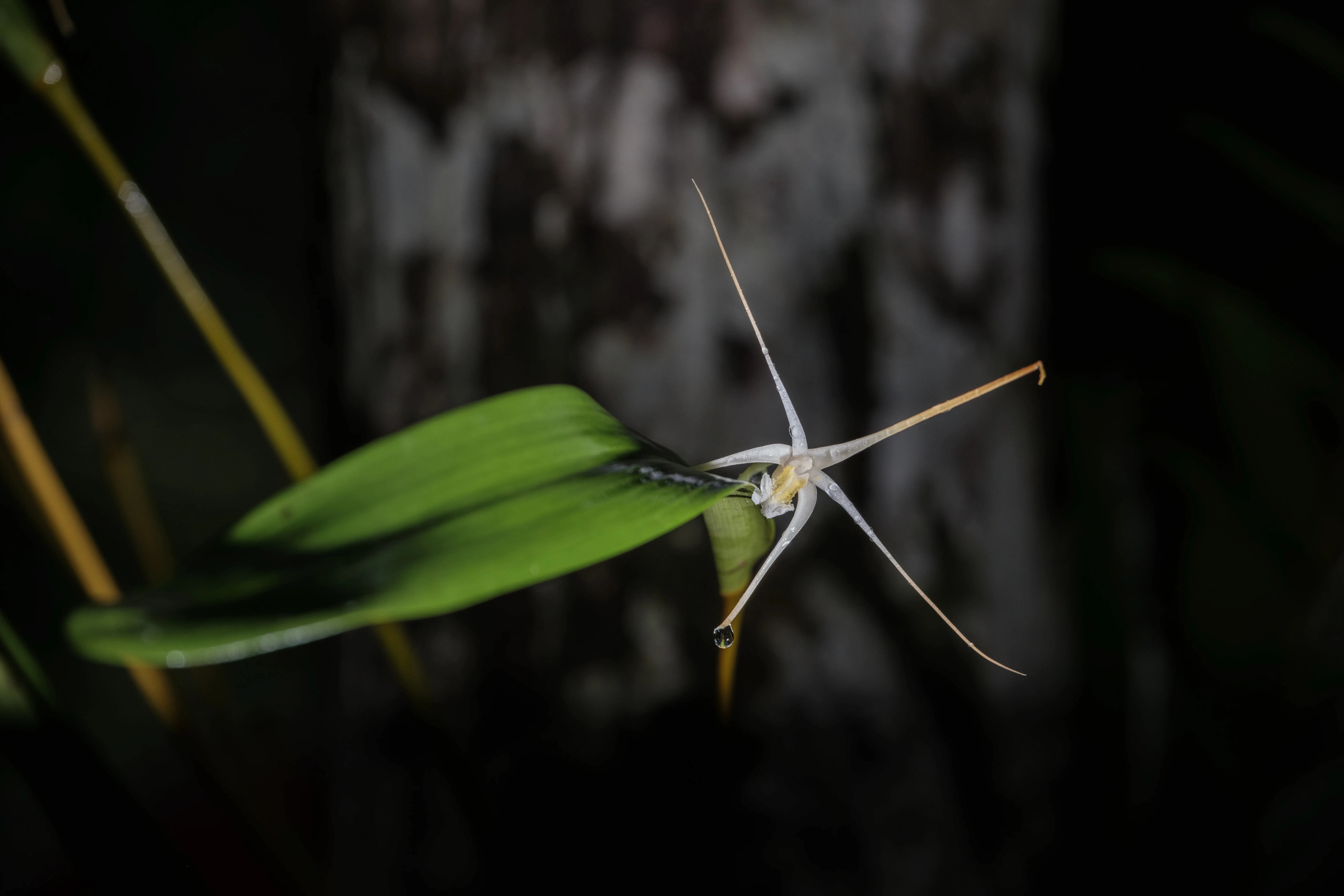
The Regional Natural Resources Conservation Agency of Papua Barat Daya has been running wildlife enforcement operations since 2022, with multiple seizure cases across its jurisdiction. Sorong Nature Recreation Park spans 945.9 hectares inside Sorong City, approximately 21 times the SCBD district in Jakarta, serving as an active conservation zone and urban lung. The project documented two newly described orchid species: Dendrobium moiorum (2020) and Dendrobium abuniorum (2025), both named after indigenous Papuan tribes in explicit recognition of their generational stewardship.
But the impact I return to is this: Filiani Malaseme, a Moi indigenous women's leader and one of the rights-holders of Sorong Nature Recreation Park, voice breaking as she said: "This land is our mother. If we protect this land, we protect ourselves."
No policy brief produces that sentence. No impact report holds it. Documentary photography, done with patience and presence, is sometimes the only container that can. That is what I went to Papua Barat Daya to make. I believe we did.