Photographer's Journal
Devoted to the Mountains
Human-Wildlife Coexistence at Gunung Muria
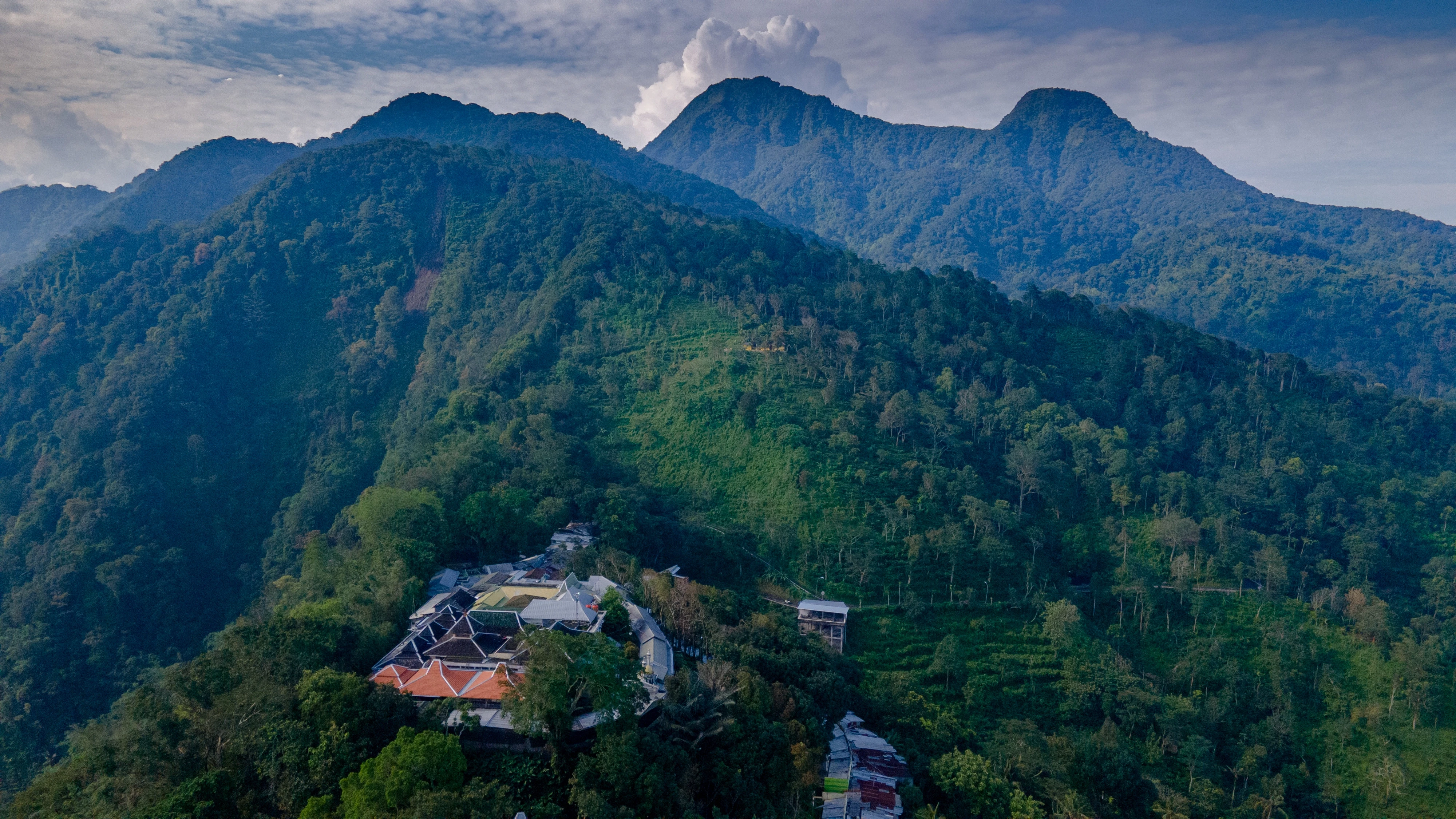
Karsini heard her goat cry once. One sound, then silence. She turned off the television, pulled her son into the bedroom, and waited until morning. By then the goat was gone, half of it, at least, and the tracks around the empty pen told the rest of the story.
I sat with her in her living room in Desa Plukaran on a Ramadan afternoon, hungry and sweating from the climb, and listened to her describe five years of carrying that night. She doesn't blame the leopard. That is the thing I kept coming back to.

The goal was to document the escalating tension between human settlement and the critically endangered Javan leopard (Panthera pardus melas) at Gunung Muria, Central Java, while tracing the deep cultural and spiritual roots that have historically made coexistence between the two not just possible but sacred, and to make the case, through PEKA Muria's grassroots work and the teachings of Sunan Muria himself, for the leopard as an umbrella species whose survival anchors the entire Muria forest ecosystem.
The leopard never appeared in front of my lens. It is nocturnal, elusive, and represented in this story only through trail camera images, tracks, and the testimony of people who have encountered it. Only 14 individuals remain in Muria. Across all of Java, perhaps 350. The mountain lost 85.5 percent of its natural forest between 1990 and 2006. Human-wildlife conflict is running at up to eight incidents per two-month period.
Making an invisible apex predator feel urgent is one of the stranger challenges in conservation photography. The animal is the story and the animal will not show itself. Everything depends on what surrounds it.
I spent Ramadan 2025 in the field with writer Utomo Priyambodo and the PEKA Muria team, climbing through Gunung Muria while fasting, sweating through forest patrols and trail camera installations. I photographed Teguh and his team planting bergat seedlings, the fig species that feeds the prey that feeds the leopard. I made portraits of Karsini, of Sukaryo the parijoto farmer who has met the leopard face to face and calls it kyaine, elder, with genuine respect. I documented the coffee harvest dancers in the mist above Desa Japan, the shadow puppet master Susah Setyo playing tembang kinanti with its eight-century-old instructions for living inside nature. And I stood in front of the old teak door at the Tomb of Sunan Muria, carved with a leopard, and understood that what PEKA Muria is doing is not new. They are remembering something.
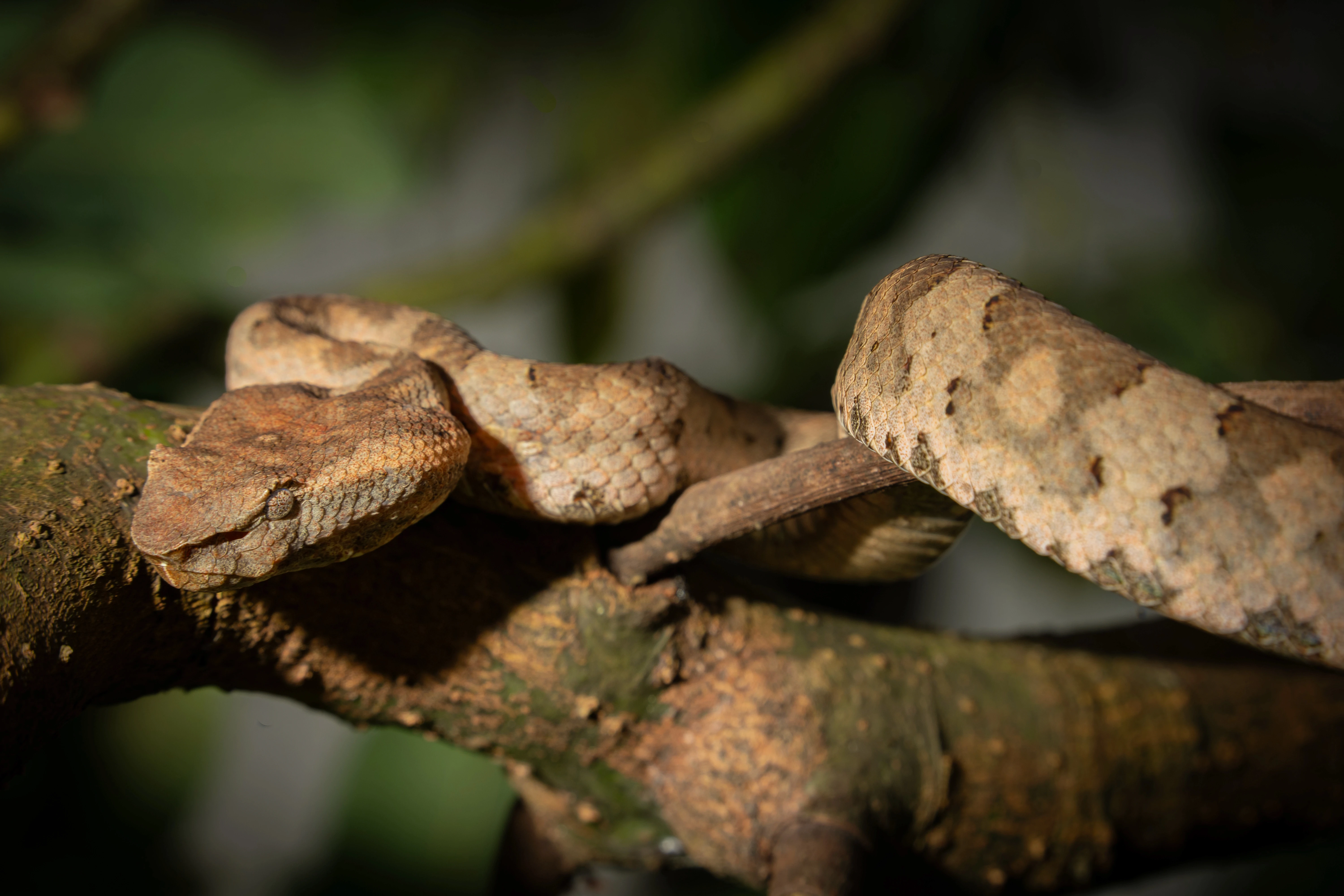
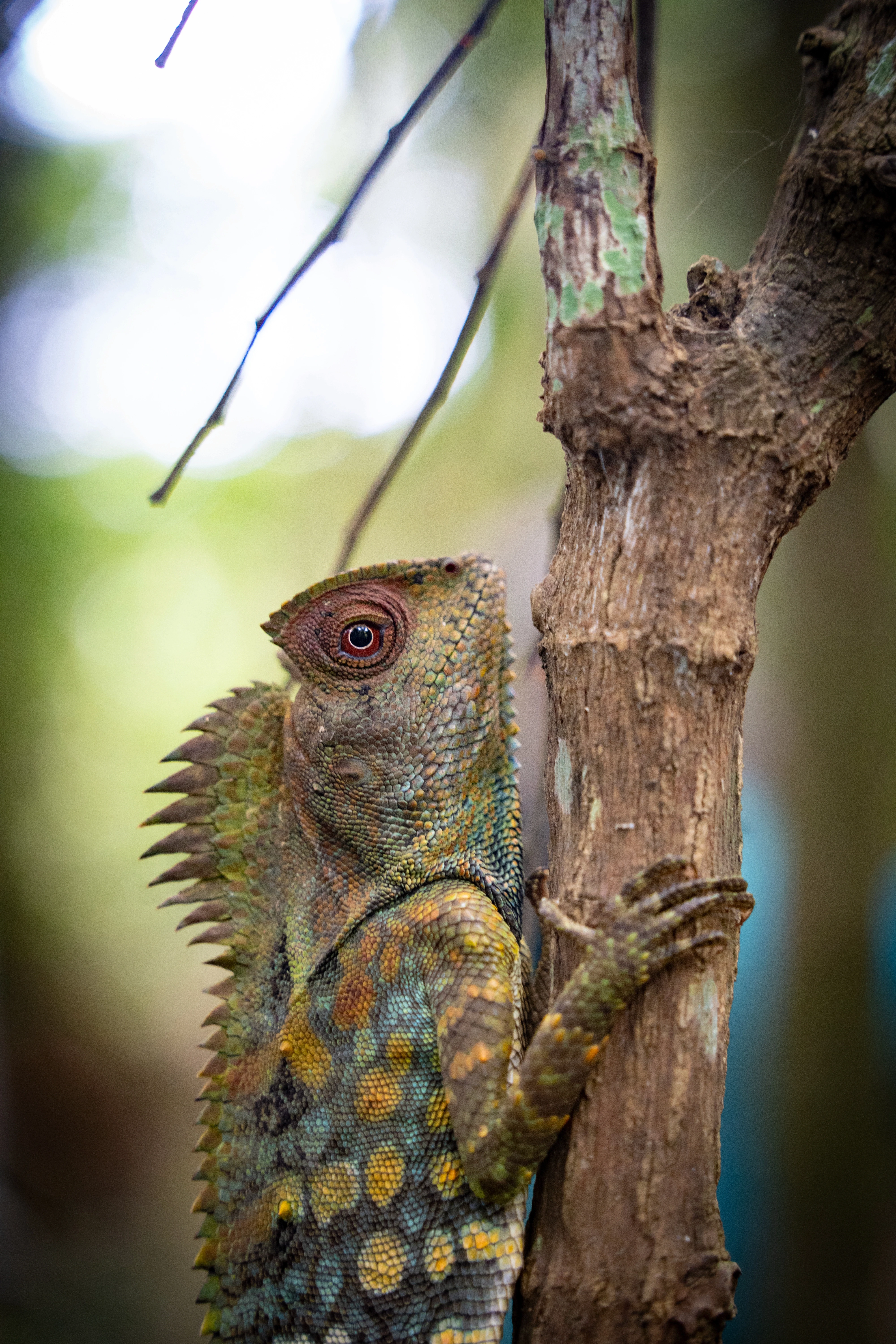
The partner network that PEKA Muria has built now includes approximately 500 farmers who have shifted to sustainable coffee cultivation rather than expanding into forest land. The Wonorejo Farmers Group planted around 5,300 fruit tree seedlings across 57 deforested hectares of Patiayam since 2019, harvesting 30 tons of mango in 2024 alone, with water springs restored and the microclimate measurably cooler. Trail cameras confirmed 14 individual leopards. A December 2024 paper in Global Ecology and Conservation independently confirmed that areas with leopard presence carry higher overall wildlife diversity. The science and the ground truth are finally saying the same thing.
The story's qualitative argument is one I believe in deeply: cultural memory is a conservation tool. The leopard iconography on Sunan Muria's tomb, the word kyaine, the ecological ethics embedded in a tembang composed in the fifteenth century, these are not folklore. They are infrastructure. PEKA Muria is not inventing a new relationship between people and predators at Gunung Muria. They are excavating the one that already existed, before the chainsaws.