Photographer's Journal
Man and Biosphere at the Heart of Wallacea
Lore Lindu Biosphere Reserve
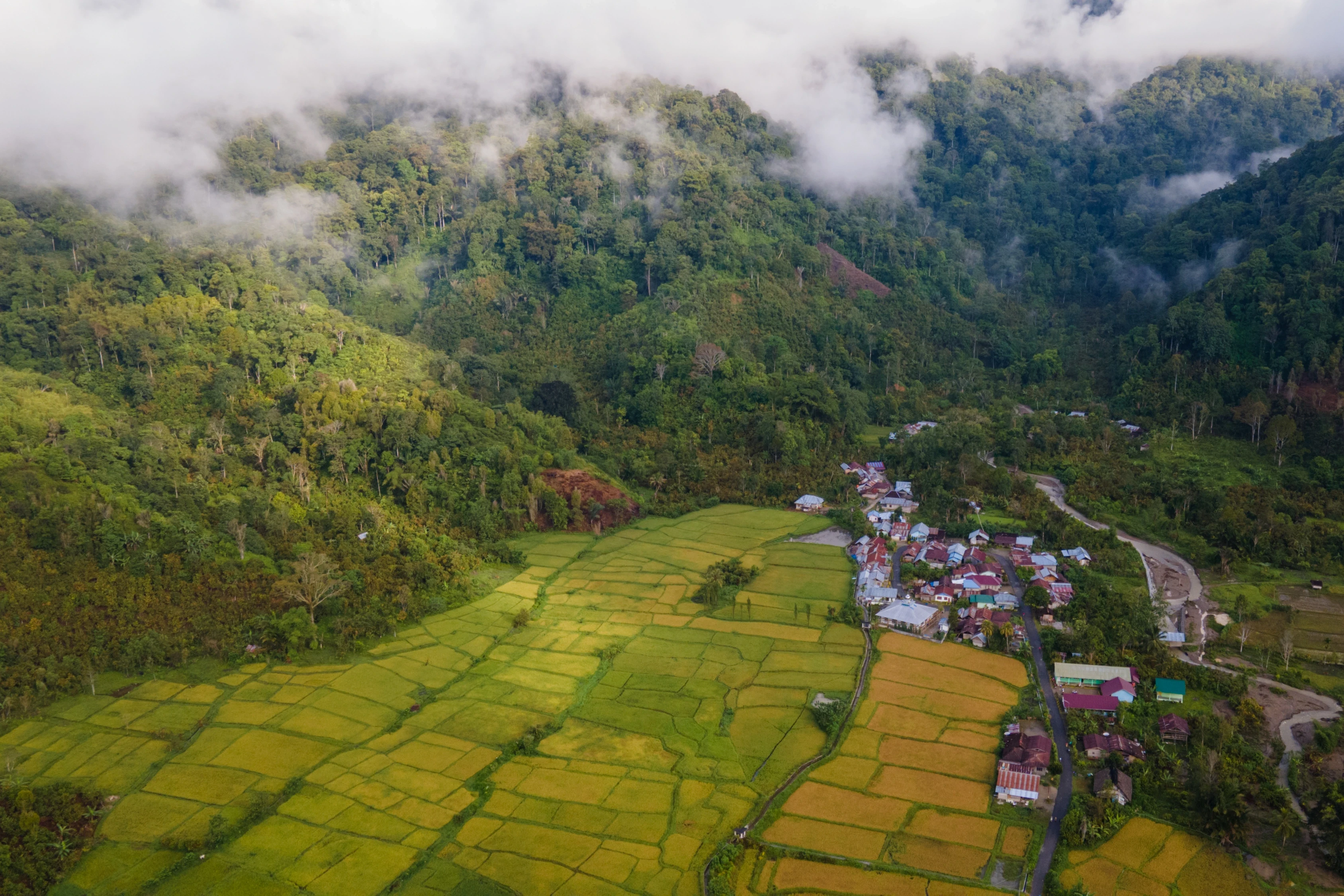
I arrived in Palu Valley strapped to a paraglider. It felt appropriate. Lore Lindu is the kind of place that demands you see it from every angle before you begin to understand it, from the air, from the forest floor, from the inside of a governance meeting that has been happening in some form for centuries.
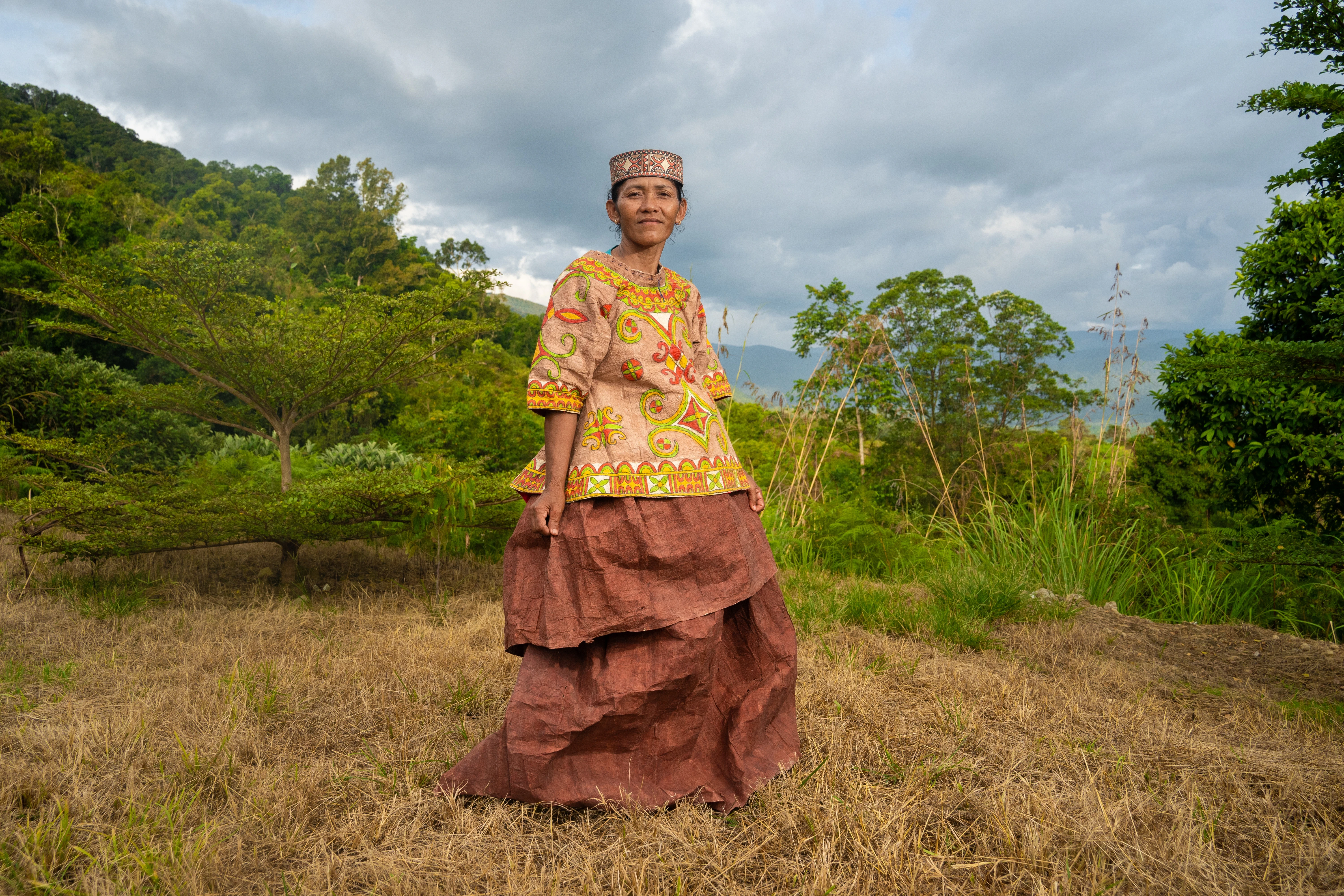
The goal was to document the Lore Lindu Biosphere Reserve in Central Sulawesi, one of Indonesia's four first-generation UNESCO biosphere reserves, designated in 1977, and the ecological and cultural heart of the Wallacea biogeographic zone, and to ask honestly whether the co-existence of modern science-based conservation and indigenous customary governance could actually anchor sustainable livelihoods, through organic farming, orchid cultivation, maleo conservation, and community natural resource management.
Lore Lindu sits at the intersection of fault lines, literally and figuratively. The Palu Koro fault runs through its heart. The 2018 earthquake that liquefied entire neighborhoods and sent a six-meter wave into Palu was still written on the landscape and in the faces of people in the buffer zone when I arrived. You photograph into that kind of aftermath carefully, if at all.
The conservation tension was equally complex: a national park operating on scientific zonation logic, adjacent to indigenous communities like Ngata Toro whose customary land system, comprising wana ngkiki, pangale, and oma zones, predates the park by generations. Earning access to the maleo breeding site at Saluki required coordination with park rangers who were themselves navigating between institutional protocols and the reality that local knowledge was essential to finding the nests.
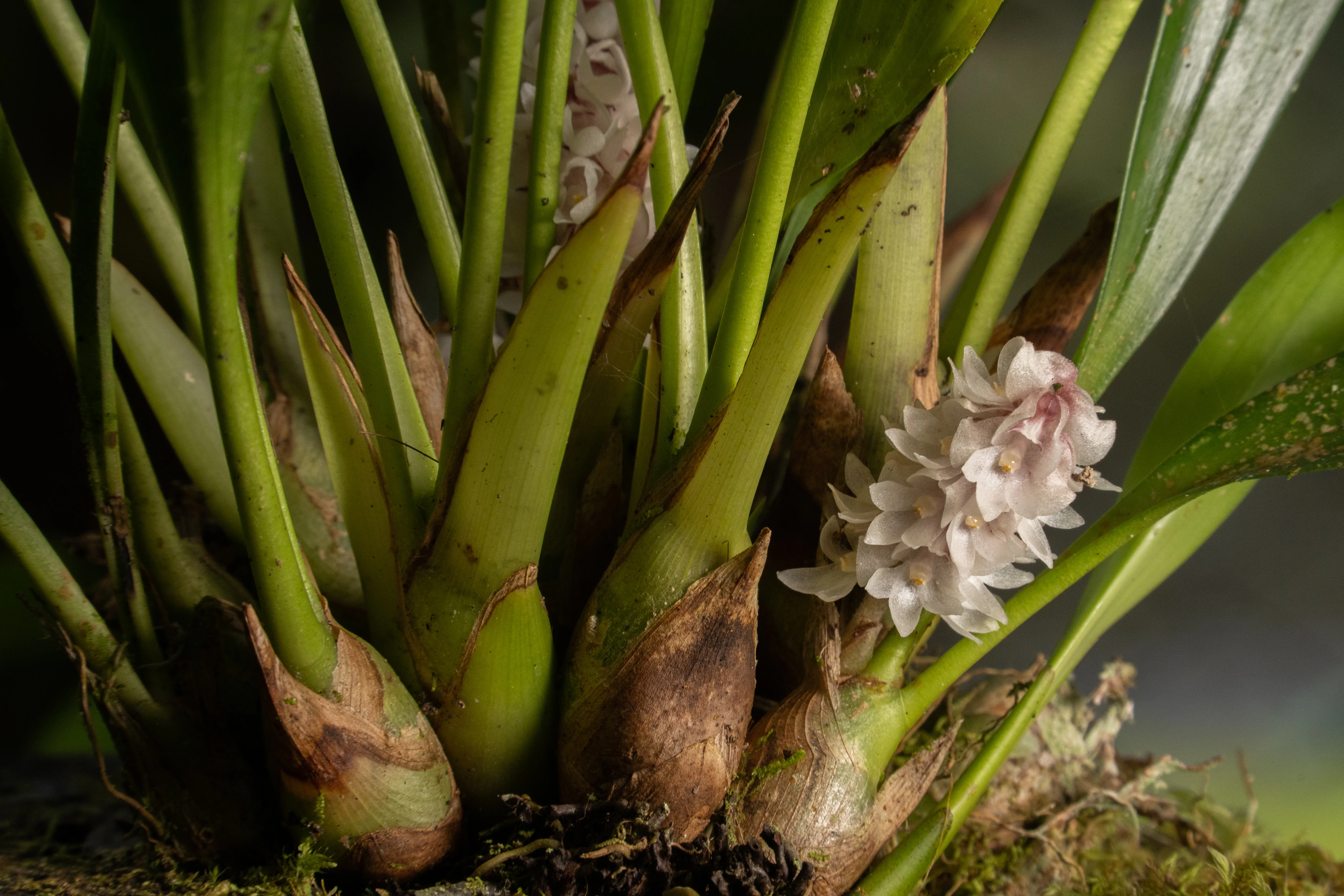
The project required moving across entirely different registers in a single assignment. A paragliding flight over Palu Valley for aerial context. Days in Ngata Toro with Rukmini Paata Toheke, the community matriarch whose authority over customary land use I watched shift a room full of men. Agricultural documentation in the cocoa and coffee farms of Lore Tengah. A visit to Sardin's orchid greenhouse in Desa Karunia, where he cultivates endemic Sulawesi species using only generative propagation, returning parent plants to the forest, keeping nothing he cannot spare. And field time at the Saluki maleo site, where La Emi and the park team had built a quiet, data-driven hatchery program with no drama and enormous patience.
The 2019 population analysis had recorded 834 maleo individuals at Saluki. Between 2020 and 2021, more than 150 juveniles were released into the wild, a conservation output that was happening, carefully, whether anyone was watching or not. The story helped ensure someone was. Central Sulawesi's cocoa production reached 127,000 tons in 2020, making it Indonesia's top producer, with the biosphere reserve's buffer zone as a key source, a fact the story placed inside the sustainability standards the Coordination Forum was trying to build.

What the project made visible, qualitatively, was a convergence that the conservation world often misses: Rukmini's customary school and La Emi's hatchery cages are not competing philosophies. They are the same argument, arrived at from different directions. The most important image I made in Lore Lindu might be the one of a child in traditional dress sitting in a wooden schoolroom, learning the names of zones his ancestors mapped long before the park existed. The biosphere's future depends on whether that child remembers.